Things I like in LARP – or am I just impossible to please?

It’s been a while since I last typed out something for this blog, but I’ve been hankering to get back into the swing of things. I plan to do an update sometime soon on games I’ve run and what my future plans are, but for now, I feel like talking about things that I enjoy and don’t enjoy. You might agree with some things, while you might find that when it comes to others, you don’t understand my view at all. And there are some things you may have not thought about.

I enjoy a sense of emotional vulnerability

When it comes to LARP, my characters always have something they care about and want to protect. Sometimes I come in not knowing what that thing will be, and it usually turns out to be a someone. I enjoy letting my walls down and coming to trust others. It’s cathartic to share your IC fears with someone else and feel your heart beat as you await their response. It’s fun knowing that you would give up personal gain in order to protect what you care about. It’s touching to play a reserved character and have other characters tell you they care about you.

Image result for glass case of emotion

I don’t enjoy being made to feel bad while vulnerable

Feeling guilty or scared because you care is one thing, it’s another when the story sets out to kick you while you’re down. I draw the line at being made to feel bad or lesser out of character. I don’t want to be made to feel stupid or sad. It’s a fine line when I actively seek out emotional stories with my characters, and it honestly requires a good helping of trust between players or player and GM.

I enjoy feeling like I’m part of the world

There’s nothing better than when you poke the world and it pokes back. The feeling that you’re a character part of something bigger than you is wonderful. There are conspiracies beyond my reach. There are things I care about and want to protect and there are things I don’t want to touch. My character doesn’t have to be embroiled in every little thing or have a close rapport with every NPC, but even just knowing they’re there, living their lives is enough to make me feel immersed.

I’ve described it to people before as feeling like a fish in the sea. Sometimes I know about the abandoned pirate treasure and eat smaller fish. Other times, some behemoth swims past underneath and I am left with a sense that I am not the most powerful being here.

I don’t enjoy feeling like a disposable part of the world

This one is a bit tricky because I do enjoy gothic horror and urban fantasy where you are very often lower on the food chain and sometimes, you are indeed disposable. But when a player is in a game, they’re there because they want to feel like they matter in some way. Sure, the Big Bad will squash them if they attacked alone, but maybe they’re the one who can crack the locks on the prison cells, or maybe they’re the one who was childhood friends with the Big Bad’s lieutenant.

No one should feel totally worthless, even if they aren’t the most powerful person in setting. I play in a Victorian Vampire LARP which nailed this balance perfectly. It featured two very old feuding vampires. They were the behemoth in the ocean. They were so far beyond our power level that I suspect the entire player base would have had a tough time ganging up on them. But they weren’t untouchable. They interacted with us. They made deals with us. One even made some friends with the much younger vampires. We were very clearly outclassed and they couldn’t care less for what we thought of their ancient feud, but they didn’t ignore us entirely.

Image result for puppet strings shadowy

We may have been less powerful, but we were not just mere puppets for the powerful NPCs to bully.

I don’t enjoy feeling like I am the only important part of the world

This is where others might disagree with me, but I don’t particularly enjoy being the only powerful person in the world. It’s an issue I sometimes have with games like D&D – why are we the Only Ones who can stop this problem? Why hasn’t the town guard been able to clear out that goblin-infested cave. Why haven’t any other heroes slain the dragon and made off with their horde of treasure. Sheer dumb luck of being the first to arrive can’t be used as an excuse every time.

Other games have this issue too. The vampire prince turns to the player party instead of his sheriff or other court members he’s appointed to do this work. The dystopian world seemingly only has one group of ethically-dubious hackers who care enough to bring down the corporation that’s been poisoning puppies and drowning babies. Jesus Christ himself comes down and cuts off his hand to give to the player party because…

uh…

You get the point. It might sound weird to say I don’t want to be the most powerful, but to be honest, it simply breaks my immersion when I’m questioning why the player party are the only ones working to fix an issue. How I get around this is to bring the stakes down and make them more personal. Now the bad guys aren’t trying to take over the world (okay, maybe they are). But the players don’t know that. All they know is that their nephew or daughter has been kidnapped and they have to do it because everyone else is busy dealing with their own problems. The Changeling monarchs aren’t willing to risk their courtiers by attacking Loyalists, it’s up to the party to go rescue their kidnapped friend. It’s not the vampire prince hiring the players, it’s someone they’ve helped before and the party are the only ones they personally know of or can contact.

I’ve been in games where a players were awarded random Mc Guffins, seemingly for no reason. They’re not the most pious but the Dalai Lama gives them the magic spear that throws lightning. They’re not the funniest but they get the talking book of Knock Knock jokes. If it means someone gets special treatment – you get jealousy and players wondering why they don’t get special toys. If you’re throwing them at everyone in your LARP, you get power creep and I’m left wondering about the others who are surely more worthy than us. It can work in an RPG with a smaller group. Sometimes you want a good old bit of power fantasy where you are the Best and the Only One but honestly, it’s a very rare situation where I’m in the mood for that at the table. I prefer it sticks to video games where it belongs.

What do you like/dislike? Or just tell me in the comments why I’m wrong
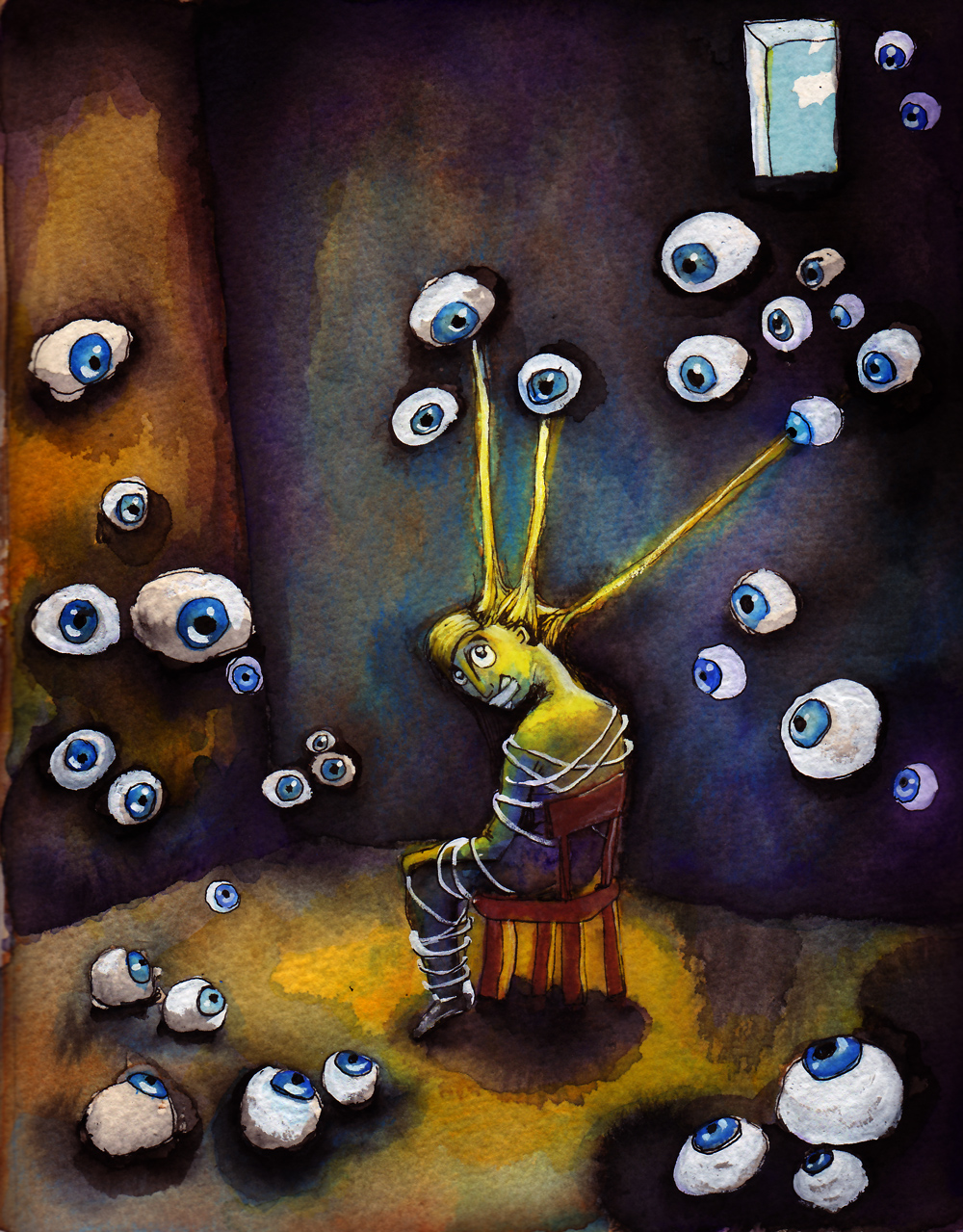
The Nervous Gamer

We’ve all been there, be it as a player or a GM. Your character stands up in front of the royal court. It’s time to make a speech. The eyes of everyone at the table are on you. You freeze.

Maybe your character has done something silly and they’re now facing down an angry NPC. What do you say? You freeze.

Ten minutes until your LARP starts. You have everything ready. You think. What if people don’t have fun? What if you’re wasting everyone’s time.

It doesn’t matter how seasoned a role-player you are, nerves hit us all sooner or later, sometimes when we least expect them. I once had to leave a particularly dense sci-fi LARP before it even started because I was simply too overwhelmed by all the new info and people. I had a panic attack in a small side room, then let the GMs know I wouldn’t be playing.

I’ve seen countless players panic or stammer their way through a situation. Role-playing can be a scary experience. You’re putting yourself out there in a way that others are going to interact with and possibly judge.

Everyone get nervous. No one is going to judge you.

http://unfitmind.files.wordpress.com/2010/06/social_phobia1.jpg

Try not to be worried that you’re not as eloquent as you feel your character should be. Don’t fret if you don’t make realisations that your character might have. No one is going to scoff and ask why you’re playing the character you’re playing. In general, people are going to empathise and are usually more than willing to help a fellow player out.

If you’re a GM, players are a lot less likely to notice mistakes than you think they are. They don’t know that you had intended for a particular NPC to come off as confident, or that you forgot what a particular location looked like and made it up on the spot. Even if you forget how rules or mechanics work, people are unlikely to care. They understand that you’re human too and that everyone makes mistakes.

Helping out our fellow role-players

There’s a lot of easy steps that can be taken to help others ease into what can be a daunting experience. If you’re playing in a small RPG group, be mindful of the others at the table. If someone is a little quieter or getting left out, make an effort to interact with their character and ask their opinion on things. If it’s in a LARP setting, keep an eye out for anyone who seems to be left alone or who looks nervous and uncomfortable. If your character is the intimidating sort, it could mean a lot to a new player to have you be a little kinder to them. Sure, your character may have no real reason to go over to a strange new person and make an effort to talk to them, but it really enriches other people’s experiences and isn’t that what role-playing is all about? To collaborate to have a fun time?

For GMs, be mindful of how you treat your players. Do you have NPCs mock them or shame them when they fail? Are you creating an environment in which a shyer player feels comfortable using their voice? Take some time to examine your GM style. In my experience, games like Vampire the Masquerade, while intentionally dark, can lean a little too antagonistic with players feeling downtrodden by old and angry vampires.

What can players do for GMs?

I feel like giving constructive feedback to GMs could merit its own post, but we’ll touch upon it here. Did you as a player really enjoy something your GM did? TELL THEM. Seriously. Nothing makes a GM feel more valued than a player telling them that they really enjoyed a puzzle or NPC or combat encounter. Your GM puts time into writing the games, please show them you appreciate their efforts!

If your GM flubs a bit of the game, be it plot, role-play, or mechanics, please do be patient. I promise you they’re trying their best and likely giving themselves enough self-criticism. But what if you really need to bring something up with them? Maybe they’re doing something that makes you genuinely uncomfortable, or maybe you just feel you have some advice that could help them. Do be kind. If you can, mention something you like about their game along with your criticisms. Show that you appreciate their efforts and that you want to work with them to create a better experience.

Source: BrightCarbon

Comfort comes with time

When I started role-playing, I was remarkably self-conscious. I didn’t know what I was doing. I questioned every decision I made. I worried that people would judge me. Then I started GM-ing and that brought new worries. Were the NPCs I wrote interesting enough? Was my plot engaging? Was the ending going to flop?

I wish I could say I found some magic cure for these nerves, but the truth is, they never entirely go away. I’ve been role-playing for years now and sometimes, the niggling doubts still come back! It’s simply through exposure to these situations do I find myself becoming more self-assured. Role-playing and GM-ing are skills of their own and like any skill, you become more confident using them with time.

Have fun!

At the end of the day, gaming isn’t meant to be a test. It’s supposed to be a fun and rewarding experience. It’s a collaborative experience and if we’re mindful of that, we can make things more enjoyable, even for the most nervous of gamers.


Running LARPs and RPGs – Are you a jaded GM?

If I had a euro for every time I encountered a GM frustrated with their players, I’d… have a nice amount of money but not anything terribly impressive because the role playing community is relatively small. Does this sound familiar – the always-GM. The person who’s always running a game and who never gets a chance to play. They’re sometimes harried or flustered but they’re so firmly entrenched in their role as a GM that they can’t possible take a step back.

GMs get burned out. It’s not anything to be ashamed of, it’s natural when you’re working to tell a story and showcase your creativity. It’s a lot of work to put on a game, especially a LARP with many players!

Don’t be afraid to communicate

Image result for communicate

If asked what the worst game I ever ran was, I wouldn’t have to hesitate before answering. I ran a LARP session where the mood couldn’t have been more miserable if we’d killed someone’s dog. I’m not ashamed to admit I broke down in tears after we timed out. I felt like I had failed my players. I consider myself very lucky that players felt they could come to me and talk to me about how they felt during the game though. While in this case it was obvious that people weren’t having fun, it’s not always as clear when the issue is smaller or if it’s a subsection of players who are dissatisfied.

So what did I do after that game? My fellow GM and I wrote up a public apology. We explained that the game had utterly failed to hit the tone we had intended it to. We stated the intended tone of the campaign (it was listed in our game primer) and that we were going to strive to adhere to it in the future. We were going to do better and we thanked those who gave us feedback.

The response was comforting. People appreciated that we were willing to own up to what we did. They appreciated that we were going to do better in future games and they stuck by us. Our players thanked us for being so open and for our willingness to communicate. What could have ended the campaign turned into something we used as a platform to communicate better with our players and take a moment to evaulate the direction we wanted the game to go in.

Don’t be afraid of feedback! Your players want to have fun, and ideally, you should too. Work together with your players to make the game you all want to play. Sit down with your group if it’s small enough, and hear from everyone what they want from the experience. If it’s a bigger LARP, include a section on tone and mood in your primer! Give players and idea of what they’re in for and they’re more likely to play in line with what you imagined.

Be a player

7 Lessons About Playing D&D I Learned From Critical Role
Image credit: Geek and Sundry

If you’re the kind of person who always runs games, don’t be afraid to be a player for a change. Just as writers read voraciously to improve their skils, playing games will help you develop as a GM. Want to better understand what makes a game fun? Play!

Taking a break to be a player for a while will also allow you to rest your creative muscles. It’s liberating to just show up without wondering if you’ve written enough plot, if the players will like the NPC you wrote, or find all the clues you set out. You don’t have to worry about engaging your players or making sure everyone gets equal roleplay time. You don’t have to stat anything past your own character sheet.

Do you notice a trend in the games you run? Do you prefer cyberpunk? World of Darkness? DnD? Play something different! You might discover a new system that you love, or you might just appreciate a change of scenery. You might even discover new tropes that can be fun to bring back into your favoured system. Nothing gets people out of a rut like new experiences.

Why do you GM?

When motivation flags, it can help to take a moment to consider why you GM in the first place. Personally, I love telling a story with my players. Ideally, I’ll invoke a variety of emotions. Running a game can be stressful but I get my rewards when I see people enjoy the experience I have created for them.

If you find that your games are no longer aligned with what you enjoy about running games – change it up! Don’t let a beloved hobby grow stale. Don’t grow resentful of your game or worse, your players. It’s worthwhile to take some time to reflect every so often and make sure you’re still enjoying your hobby in the way that brings you joy.

If you find you view GM-ing as a burden or that you’re no longer enjoying things as much as you used to, there’s no shame in talking to your players about what to do, or playing a different game to change things up!

Ultimately, if you’re having fun, your players will also have fun and the quality of gaming increases for all.


Giving your players enough to do

Something I always worry about before every LARP is if I have enough for the players to do, especially if it’s a convention scenario where people don’t start with investment in the characters and plot. So how do you know when you’ve written enough to keep people entertained for a stretch of a few hours?

Character goals

In my experience, giving each character 3 goals they want to accomplish seems like the sweet spot. They might achieve some of them straight away, they might stray from what you’ve given them and follow another plot that piqued their interest. And that’s okay! What you’re doing is giving them a starting point. What does their character care enough about to devote time to? Giving them goals is a great way to point them in the right direction.

It’s important to strike the right balance between trivially easy and impossible to achieve. While a player might not complete all the goals on their sheet, it should ideally be possible for them to reach a conclusion in some way for all of them. Maybe they don’t reach an ideal outcome, but closure should be possible. You can even vary the difficulty of the goals, although be aware that you’re the only one who is intimately familiar with the plot and characters. What seems trivial may take some digging on the player’s part. On the flip side, players will always surprise you with their ingenuity and something you thought would take up most of the game has been resolved in an hour. Don’t panic!

Tying characters together

One method I’ve used in the past is to write all the characters names down, arranged in a circle. Beside that, assign each subplot a colour. Once you have that done, go around the circle and put a dot beside a character’s name if they are directly involved in that plot. Take a look at those dots? Is there anyone with an overwhelming number? Perhaps give a plot thread to someone with fewer dots. Do you look at this and realise that while someone may have several goals stated on their character sheet, they’re only involved in one subplot? Consider getting them involved in something else so the player isn’t left to flounder if things get resolved earlier than you had anticipated.

Once you’ve allocated the dots to your liking, connect them! Keeping same colours, connect up those who are involved in the same plots and you’ll see who needs to interact with who. Obviously the players won’t be privy to this information, but it’s a good way to see if there’s anyone who isn’t very connected to the others. Ideally, the players will all interact with each other and through roleplay, will clash and complement each other. However, it can be disheartening to see everyone else hare off to do something special together while you’re left on the sidelines.

Keeping players busy with roleplay

Encouraging roleplay merits its own post, but here are some suggestions as how you can give players greater roleplay opportunities.

Give them something they care about. Ever heard someone talk about something they’re passionate about? People can talk about the things they love or hate.

Give characters conflicting opinions.  So you’ve given your players something to care about. Now make them clash. There’s no fun in a circle of people sitting around, politely agreeing with one another. Give the characters opposing views and that will breed conflict. It’s even better if these conflicting characters need to work together to achieve their goals.

I ran a social LARP once set at a fancy ball and one of the players utterly delighted me when he came over and asked if he could use the servants to spread false rumours. Characters were accusing each other left, right, and center, and it really helped showcase the various conflicts and feuds.

How do YOU make sure you’ve given people enough to play with?

I’m always learning and I’d love to hear from others on how you personally make sure there’s enough plot to go around. Do you keep backup plots to be deployed in case of a slump in the action?

And players – what sparks your imagination in games? What makes you take an idea and run with it, creating delicious drama? Do you like seeing goals written down on your character sheets? Let me know in the comments below!