Twilight: The Requiem

I’ll come out and say it – I enjoy Stephanie Meyer’s Twilight series. Not so much the second installment or the insipid love story, but there are some nuggets of gold buried in that world. What if I wanted to explore the politics of the Volturi (think vampire secret police) or re-enact the Southern newborn wars?

Disclaimer: I own neither Vampire the Requiem or the Twilight series. This is nothing more than a silly little experiment.

Meyer’s Vampires

When I think of the vampires from the Twilight series, a couple of things jump to mind.

  • They sparkle in the sun instead of burning
  • They kill whenever they feed
  • They are all supernaturally fast, tough, and strong.
  • Newborn vampires are extra physically powerful for the first year of their life, but their self-control is rubbish.
  • Some vampires get a bonus power ranging from telepathy, to extra strength, to just lookin’ pretty.

As eye-rolling as the sparkles are, I’m going to leave them in there purely to stay as true to the setting as possible. Non-lethal feeding is no longer an option, which I think could create some interesting implications for players to have to deal with. Sure, animals are an option, but they’re not exactly satisfying. It should’t be an easy way out. The physical aspects will be easy to recreate, as will the newborn instability, but the “bonus power” is a little tougher to quantify. The vampires in Twilight sadly don’t have clans so I’ll leave them out, but there’s nothing to stop you from including them if you really can’t bear the thought of your sparkle-pire not having a clan.

Creating your vampire

Start with normal character creation, leaving out disciplines for now. Do not assign clan.

All vampires have the following discipline spread:

  • Vigor 3
  • Resilience 3
  • Celerity 3

That should produce something along the lines of what Meyer envisioned for her vampires.

Something extra special

There are a lot of options here. Choose one from the list below:

  • Add an additional point of either Vigor, Resilience, or Celerity.
  • Take the Striking Looks merit.
  • Take an additional Attribute point.
  • Take one of the many supernatural merits.
  • Take one Discipline power. If you have the 4th level of Auspex, you do not have access to the previous powers. Exceptions for Disciplines such as Dominate or Majesty where some levels build on previous levels.

This won’t produce balanced results but I won’t lose sleep over that. Meyer’s vampires aren’t balanced and the different powers produce interesting results. Pick something too flashy and you’ll find yourself head-hunted by the Volturi. Literally or otherwise.

Feeding

So you can’t just take a little blood here and there. If you drink from a human and don’t drain them totally, they begin the process of becoming a vampire themselves. It’s an agonising 3-day process so unless you have somewhere to store a screaming, thrashing body for 72 hours, don’t leave any blood behind. I recomend applying the usual “hunger” modifiers to resisting Frenzy as the lower on blood a vampire gets, the less self-control they have. Also their eyes turn black for some reason.

It is possible to feed from animals, but it shouldn’t be easy. I suggest giving players who want to take the “vegetarian” route a permanent Tempted 1 condition or in some way penalising their frenzy rolls when in the presence of blood. Vampires who feed on the blood of animals exclusively have golden irises.

Newborns

If you’ve been a vampire for less than 12 months, you get a mixed bag of benefits and drawbacks. Newborn vampires have Vigor 5 for the first year, but suffer from penalised Frenzy rolls. Let’s give them a flat -2 to resist Frenzy, -5 when in presence of blood. Better hope you’ve got a good sire to keep you out of trouble. Also your eyes are a vibrant red, even if you immediately adopt an animal-only diet.

Death

The surefire way to dispose of a vampire in Meyer’s world is to tear the body to pieces and burn it. Fire does aggravated damage to vampires and if they’re unlucky enough to be decapitated and have their head cremated, it’s game over. The other source of Agg vampires have to fear comes in the form of a big furry wolf. Werewolves are designed to kill vampires and their teeth tears through dead flesh like butter.

Summary

I’m not going to lie, I’d be sorely tempted to run a game set in this world and see how long it’d take my players to figure out. Though now I’m sure any session of Requiem I run will be treated with suspicion. Would you play a game set in Meyer’s world? Am I the only one who really unironically enjoys Eclipse? What would you change about my suggestions if you were to run Twilight the Requiem?

If you enjoyed this silly post, you can buy me a coffe (or more realistically, a tea) through my Kofi! Every donation is greatly appreciated. https://ko-fi.com/theladylarper
The Nervous Gamer

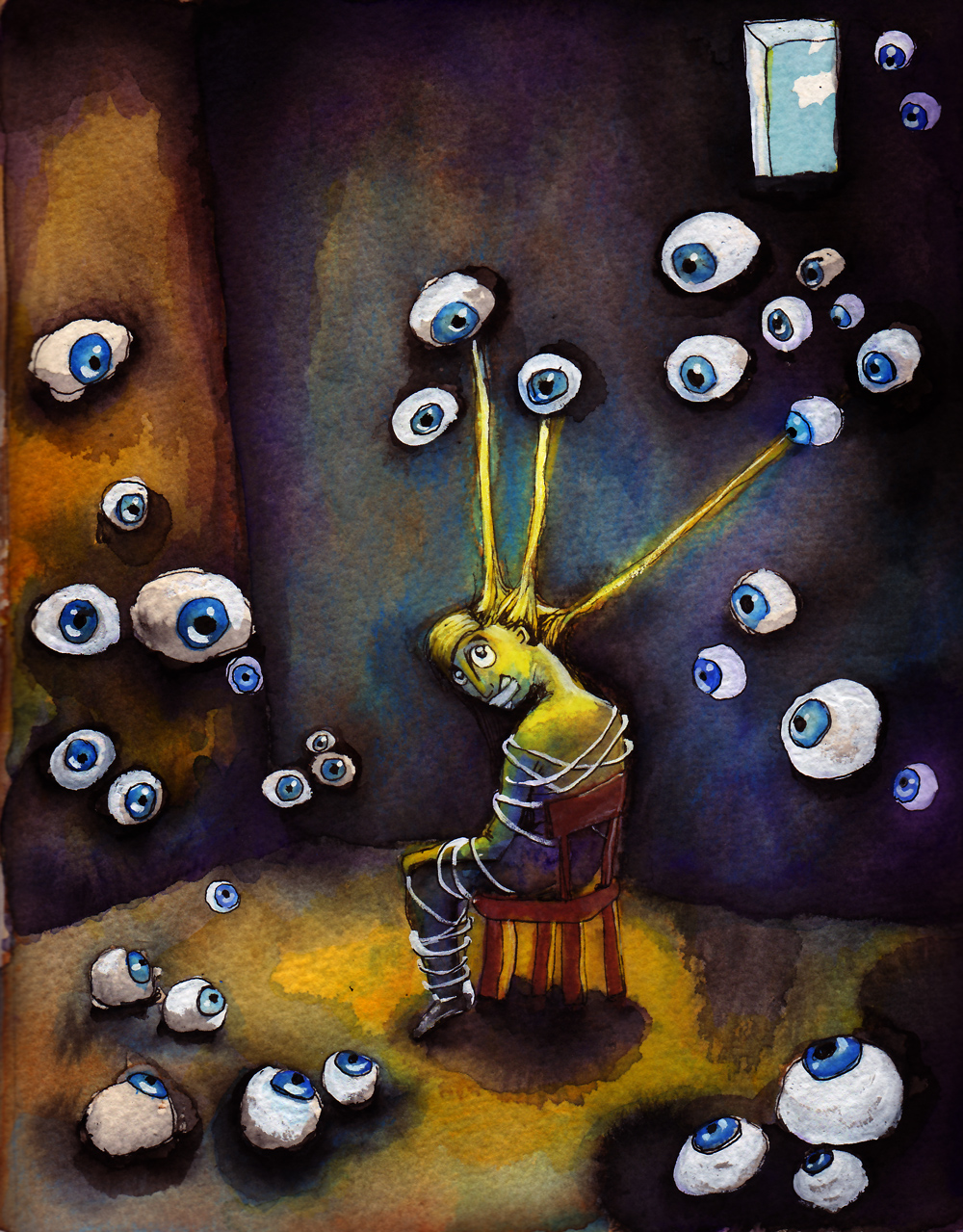
We’ve all been there, be it as a player or a GM. Your character stands up in front of the royal court. It’s time to make a speech. The eyes of everyone at the table are on you. You freeze.

Maybe your character has done something silly and they’re now facing down an angry NPC. What do you say? You freeze.

Ten minutes until your LARP starts. You have everything ready. You think. What if people don’t have fun? What if you’re wasting everyone’s time.

It doesn’t matter how seasoned a role-player you are, nerves hit us all sooner or later, sometimes when we least expect them. I once had to leave a particularly dense sci-fi LARP before it even started because I was simply too overwhelmed by all the new info and people. I had a panic attack in a small side room, then let the GMs know I wouldn’t be playing.

I’ve seen countless players panic or stammer their way through a situation. Role-playing can be a scary experience. You’re putting yourself out there in a way that others are going to interact with and possibly judge.

Everyone get nervous. No one is going to judge you.

http://unfitmind.files.wordpress.com/2010/06/social_phobia1.jpg

Try not to be worried that you’re not as eloquent as you feel your character should be. Don’t fret if you don’t make realisations that your character might have. No one is going to scoff and ask why you’re playing the character you’re playing. In general, people are going to empathise and are usually more than willing to help a fellow player out.

If you’re a GM, players are a lot less likely to notice mistakes than you think they are. They don’t know that you had intended for a particular NPC to come off as confident, or that you forgot what a particular location looked like and made it up on the spot. Even if you forget how rules or mechanics work, people are unlikely to care. They understand that you’re human too and that everyone makes mistakes.

Helping out our fellow role-players

There’s a lot of easy steps that can be taken to help others ease into what can be a daunting experience. If you’re playing in a small RPG group, be mindful of the others at the table. If someone is a little quieter or getting left out, make an effort to interact with their character and ask their opinion on things. If it’s in a LARP setting, keep an eye out for anyone who seems to be left alone or who looks nervous and uncomfortable. If your character is the intimidating sort, it could mean a lot to a new player to have you be a little kinder to them. Sure, your character may have no real reason to go over to a strange new person and make an effort to talk to them, but it really enriches other people’s experiences and isn’t that what role-playing is all about? To collaborate to have a fun time?

For GMs, be mindful of how you treat your players. Do you have NPCs mock them or shame them when they fail? Are you creating an environment in which a shyer player feels comfortable using their voice? Take some time to examine your GM style. In my experience, games like Vampire the Masquerade, while intentionally dark, can lean a little too antagonistic with players feeling downtrodden by old and angry vampires.

What can players do for GMs?

I feel like giving constructive feedback to GMs could merit its own post, but we’ll touch upon it here. Did you as a player really enjoy something your GM did? TELL THEM. Seriously. Nothing makes a GM feel more valued than a player telling them that they really enjoyed a puzzle or NPC or combat encounter. Your GM puts time into writing the games, please show them you appreciate their efforts!

If your GM flubs a bit of the game, be it plot, role-play, or mechanics, please do be patient. I promise you they’re trying their best and likely giving themselves enough self-criticism. But what if you really need to bring something up with them? Maybe they’re doing something that makes you genuinely uncomfortable, or maybe you just feel you have some advice that could help them. Do be kind. If you can, mention something you like about their game along with your criticisms. Show that you appreciate their efforts and that you want to work with them to create a better experience.

Source: BrightCarbon

Comfort comes with time

When I started role-playing, I was remarkably self-conscious. I didn’t know what I was doing. I questioned every decision I made. I worried that people would judge me. Then I started GM-ing and that brought new worries. Were the NPCs I wrote interesting enough? Was my plot engaging? Was the ending going to flop?

I wish I could say I found some magic cure for these nerves, but the truth is, they never entirely go away. I’ve been role-playing for years now and sometimes, the niggling doubts still come back! It’s simply through exposure to these situations do I find myself becoming more self-assured. Role-playing and GM-ing are skills of their own and like any skill, you become more confident using them with time.

Have fun!

At the end of the day, gaming isn’t meant to be a test. It’s supposed to be a fun and rewarding experience. It’s a collaborative experience and if we’re mindful of that, we can make things more enjoyable, even for the most nervous of gamers.